
This research addresses critical gaps in the availability of a nationally consistent, geo-tagged database of unreinforced masonry (URM) buildings across Australia.

Case studies

Creating a national database of unreinforced masonry buildings (NHRA T7-A4)
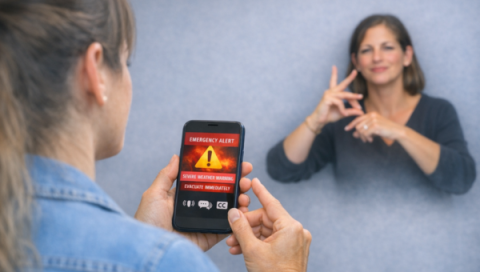
Advancing accessible emergency communication: Co-designing digital solutions for Deaf and Hard-of-Hearing communities in Queensland
This research addresses critical gaps in the availability of real-time, accessible emergency communication for Deaf and Hard-of-Hearing (DHH) individuals, who often cannot reliably receive, interpret or respond to alerts during emergencies.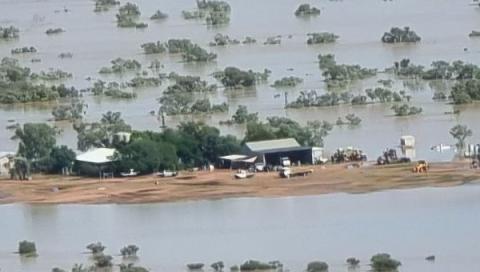
Data-driven recommendations for enhancing real-time natural hazards warnings: case study of the 2022 floods
This case study reviews gaps in the real-time warning communication made available to the public during the 2022 floods and makes several data-driven recommendations to enhance future warnings.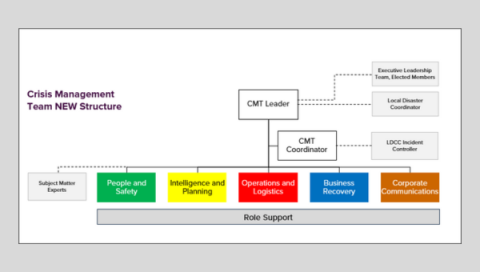
Evolution of the Crisis Management Team Structure
This case study explores how Logan City Council evolved its crisis management structures to better align with contemporary emergency response needs, particularly through the integration of business continuity and disaster management functions.
Taking a long view - How community organisations and volunteers transform disaster recovery trajectories in Queensland
Despite significant investment in disaster recovery by community organisations (COs), their impact on affected people is not well understood. This is due to difficulties in measuring outcomes, limited documentation, and reliance on institutional knowledge.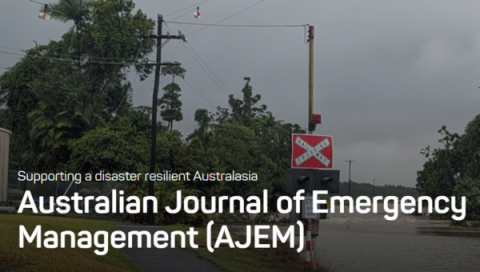
Publishing with Australian Journal of Emergency Management
Want to share your work or insights in emergency management? Learn more about the Australian Journal of Emergency Management (AJEM) - a leading open-access publication that bridges research and practice.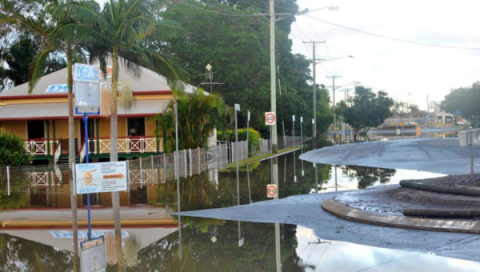
Disaster Management in aged Care Facilities: Lessons following the 2013 Bundaberg floods
Evacuating vulnerable residents from aged care facilities during disasters presents significant challenges. The 2013 Bundaberg floods highlighted critical gaps which led to delayed evacuations, increased stress on residents and staff, and preventable health complications.
Reassessment of 1918 Queensland earthquake
A recent investigation by seismologists at Geoscience Australia has unearthed new evidence with which to modify the epicentral location of the 7 June 1918 Queensland earthquake. This event, and its relocation, has been described in detail by Martin et al.
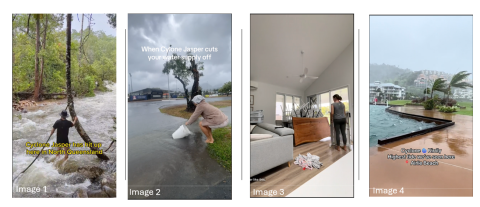
Politics and crisis management: A comparative analysis of crisis responses during TC Jasper and TC Kirrily
During the summer of 2023–2024, Queensland faced significant tropical cyclone (TC) events that caused widespread disruption and damage.
Join our online communities


- Sitemap
- Help
- Copyright
- Disclaimer
- Privacy
- Right to information
- Accessibility
- Jobs in Queensland Government
- Other languages

© State of Queensland (Inspector-General Emergency ManagementIGEM) 2026 Queensland Government